

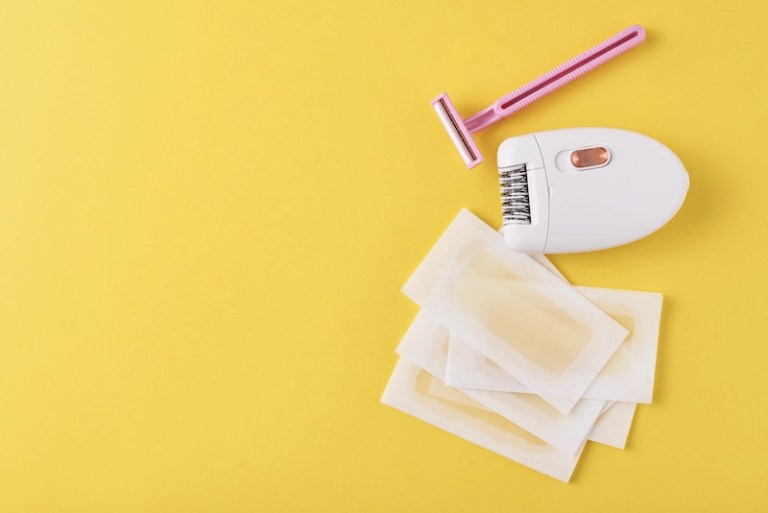
Waxing vs Shaving becomes one of the most talked about topics in the skin treatment discussion as they are often considered the same by some people.
However, the differences between waxing and shaving are quite significant, you know. So, what are the differences between the two?
This article will discuss waxing vs shaving, and it’s a must-read for you. Check this out!
What’s the Process Like?
Waxing
Waxing is a hair removal process that involves removing hair from the root using a sticky substance, like wax.
The way to do it is by applying a wax strip to the hairy area, and then quickly pulling it off to remove the hair.
Generally, the hair that has been waxed will grow back within four to six weeks. However, this can vary depending on each person’s hair growth cycle.
This treatment can be done on almost any part of the body, such as eyebrows, face, intimate areas, legs, arms, back, stomach, and chest.
Shaving
Unlike waxing, which removes hair from the root, shaving is done simply by cutting the hair in the desired area.
Typically, shaving is done using a razor or a specific shaving blade. Similar to waxing, shaving can be done on various parts of the body, such as the armpits, eyebrows, legs, intimate areas, and bikini area.
Shaving can remove dead skin cells from the body. Additionally, by shaving fine hairs, especially on the face, skincare or makeup products you use can adhere and penetrate the skin more easily.
Read also: 7 Ways to Keep Underarms Clean: How to Shave Armpits Rightlet’s take a look at the discussion of waxing vs shaving in the following points!
What Methods They Use?
The first difference between waxing and shaving is how they get rid of hair. Waxing and shaving have different methods.
Waxing is done by pulling out hair completely, including the root. Meanwhile, shaving is a method where the hair is shaved or cut on the surface of the body.
The Tools Used
What makes waxing vs shaving an interesting topic to talk about is the difference in the tools used for each treatment. To perform waxing, you will need hard wax or soft wax.
Both types of wax are used to remove hair, including the root. Hard wax is suitable for areas like eyebrows and armpits, while soft wax is suitable for areas like the hands and legs.
In contrast to waxing, shaving is done using a razor or a shaving blade. When shaving, you need a sharp razor to maximize the shaving process and prevent hair from growing inward or ingrown hair.
How often Can You Do It?
The duration of hair growth is the third difference between waxing and shaving. Generally, after waxing, the hair will regrow within 2-4 weeks.
On the other hand, shaving tends to cause faster hair regrowth, sometimes even within a few days.
This is because waxing can remove hair from the root, while shaving only cuts the hair on the surface of the skin.
How long is the Process?
The time required for the hair removal process is also one of things worth mentioning in the discussion of waxing vs shaving.
In general, shaving can be done in a relatively short time, usually around 5-15 minutes. On the other hand, waxing takes longer.
This is because after applying the wax, you need to wait for a few moments for the fine hairs to adhere properly to the waxing tool.
Read also: Care for Your Beauty? Learn How to Shave Facial Hair!
How Effective are They?
The final difference between waxing and shaving is the results. Shaving provides relatively short-term results as the hair will grow back within a few days. Sometimes, it may not work optimally as there are fine hairs left uncut.
On the other hand, waxing will leave your body looking cleaner and feeling smoother for a longer period of time. This is because waxing removes the hair from the root, ensuring a more thorough removal.
Are There Any Benefits?
Waxing offers longer-lasting results by removing hair from the root. It leaves your skin smooth and exfoliated, with reduced hair thickness over time. Waxing also helps minimize ingrown hairs and requires less frequent maintenance than shaving.
On the other hand, shaving is a quick and painless hair removal option, suitable for various body areas. It’s cost-effective and convenient, as you can easily do it in the shower or at the sink. Shaving provides precise control over hair removal and can be done without waiting for hair to reach a certain length.
Are There Any Side Effects?
As with other hair removal methods, bot waxing and shaving have their own side effects to consider. Although it may depend on each individual’s skin type and condition, here are some of the most common side effects:
Side Effects of Waxing:
- Pain and discomfort during the process.
- Redness and irritation of the skin, especially for sensitive individuals.
- Potential for ingrown hairs if the hair breaks during waxing.
- Risk of skin burns if the wax is too hot.
- Possibility of allergic reactions to waxing products.
- Temporary skin darkening or lightening, particularly for people with darker skin tones.
Side Effects of Shaving:
- Razor burns or bumps, especially if not done correctly.
- Skin irritation and redness, particularly for those with sensitive skin.
- Risk of nicks, cuts, and abrasions.
- Stubble and rapid regrowth, leading to the need for frequent shaving.
- Ingrown hairs, which can become painful and inflamed.
- Potential for skin dryness and itchiness, especially if not using appropriate shaving products.
Is It Painful?
Yes, the level of pain is one of the notable differences between waxing and shaving. When it comes to shaving, you don’t need to worry about pain, as it does not cause any pain at all.
However, you still need to be careful because using the razor improperly can cause cuts or nicks on your skin.
On the other hand, waxing tends to cause some level of pain. If you are sensitive to pain, it is recommended to try waxing on a small area first.
Is there anyone Who Shouldn’t be Doing This?
Certain medical and skin conditions may prevent or make shaving and waxing less advisable due to the potential for complications or increased discomfort. These conditions include:
- Sensitive skins
- If you are active on medications, especially on retinoids or oral isotretinoin which can make the skin more sensitive and susceptible to waxing-related complications.
- Skin conditions like molluscum contagiosum or contagious skin diseases as waxing and shaving can spread the infection.
- If you are allergic to ingredients often found on shaving cream or waxing gel.
- If you have recently done chemical peels or laser hair removal, as waxing or shaving may damage your skin.
How Much Do They Cost?
Generally speaking, waxing can be slightly more costly than shaving. However, it could be depended on locations, the specific services or products used, and whether you choose to do it yourself or go to a professional salon.
In Singapore, shaving might cost you somewhere between SGD 2 to SGD 20. Of course it might depend on the types of razor, shaving cream/gel, and aftercare treatments you use.
Conversely, waxing cost largely depend on whether you DIY it or professionally. If you choose to do it in your own, waxing could cost you SGD 10 to SGD 50. Meanwhile, if you do it in a professional waxing salon, it might cost you SGD 15 to SGD 120. On average is as follows:
- Eyebrows: SGD 15 to SGD 30
- Upper Lip: SGD 15 to SGD 30
- Underarms: SGD 20 to SGD 50
- Bikini Line: SGD 30 to SGD 70
- Half-Legs: SGD 40 to SGD 80
- Full-Legs: SGD 80 to SGD 150
- Back or Chest: SGD 60 to SGD 120
What Should You Prepare Beforehand?
Pre-Shaving Preparations
- Trim Long Hair: If your hair is particularly long, trim it down with scissors or clippers before shaving. This helps prevent clogging the razor and reduces the risk of nicks and cuts.
- Warm Water: Shave after a warm shower or bath. The warm water softens the hair and opens up the pores, making shaving easier and less irritating.
- Use Shaving Cream or Gel: Apply a good-quality shaving cream or gel to the area you intend to shave. This creates a barrier between the razor and your skin and helps reduce friction.
- Sharp Razor: Use a sharp, clean razor blade. Dull blades can cause more irritation and may not provide a close shave.
- Shave in the Direction of Hair Growth: Shave in the direction of hair growth to minimize the risk of ingrown hairs and irritation. If you want a closer shave, you can carefully shave against the grain on the second pass.
- Avoid Pressure: Don’t press too hard with the razor. Use gentle, even strokes to avoid irritation.
- Rinse Frequently: Rinse the razor frequently during shaving to remove hair and shaving cream buildup.
Pre-Waxing Preparations
- Hair Length: Ensure that your hair is the appropriate length for waxing. Generally, it should be at least 1/4 inch (about 6mm) long for effective waxing.
- Exfoliation: Gently exfoliate your skin a day or two before waxing to remove dead skin cells. This can help prevent ingrown hairs and ensure better hair removal.
- Clean Skin: Cleanse the area to be waxed with a mild, non-oily cleanser to remove any dirt, oils, or lotions. Dry your skin thoroughly.
- Avoid Moisturizers: Do not apply moisturizers or oils to the skin immediately before waxing, as they can create a barrier that makes it difficult for the wax to adhere properly.
- Pain Relief: If you are concerned about pain during waxing, you can take an over-the-counter pain reliever 30-60 minutes before your appointment.
- Patch Test: If you are trying a new waxing product or have sensitive skin, consider doing a patch test on a small area of your skin to check for any adverse reactions.
What Aftercare Treatments Should You Do?
roper aftercare for both waxing and shaving includes avoiding sun exposure and sweating, using moisturizer or aftershave to soothe the skin, wearing loose clothing, and regular, gentle exfoliation to prevent ingrown hairs. For waxing, it’s crucial to avoid hot baths, showers, and tight clothing immediately afterward, while shaving requires rinsing with cool water and changing razor blades regularly.
Individual skin reactions may vary, so paying attention to your skin’s needs and seeking professional advice for any severe issues is essential.
Conclusion
Waxing and shaving have their pros and cons, so they need to be done with caution.
But don’t worry, there’s another alternative that’s safer and more comfortable for getting rid of those fine hairs on your body. It’s called Super Hair Removal treatment, available at Clean & Tidy.
Super Hair Removal is a modern technique that uses advanced technology to remove body hair. It’s pain-free and has minimal risks. This treatment can also make your hair regrow slower or even permanently disappear.
That’s the discussion about the waxing vs shaving that you need to know. Although both are techniques for removing hair on the body, they have significant differences that you should consider.
If you wish to undergo pain-free hair removal treatment, you can visit Clean & Tidy. Make your reservation by contacting our offices at Jurong and Bugis!
Read also: How to Shave Vagina: 5 Safe Ways to Get Rid of Pubic Hair!


